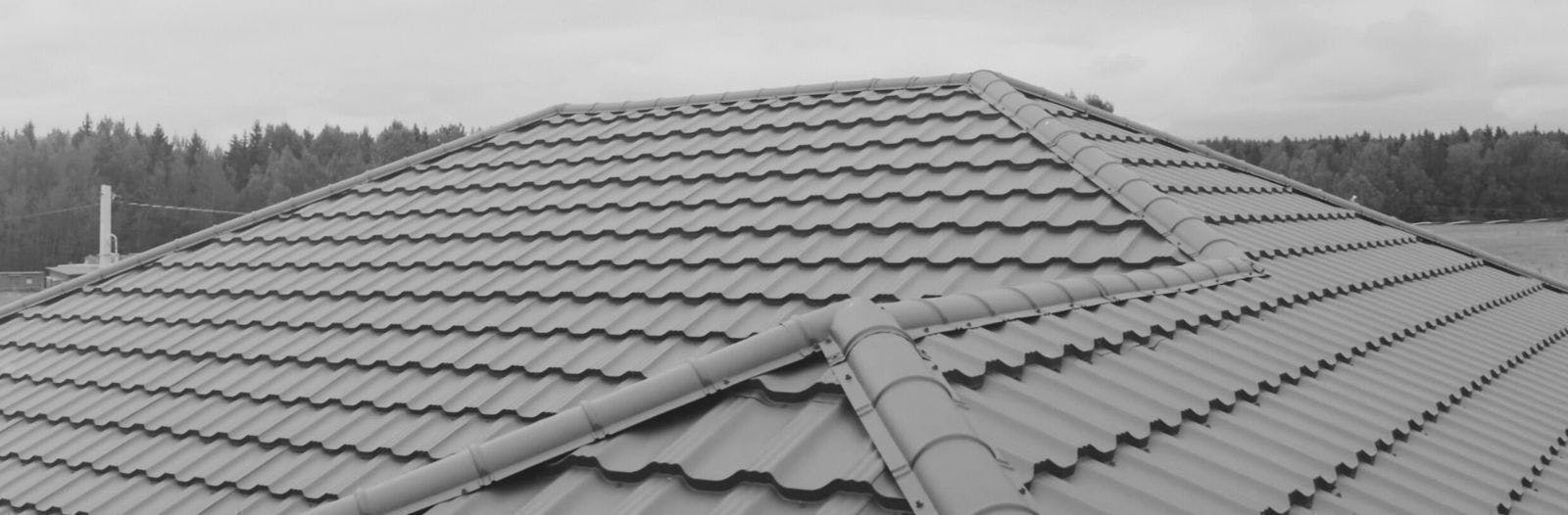
How to Stop a Roof Leak Fast
A leaking roof can quickly cause damage to ceilings, walls, insulation, decorations and electrical installations if water ingress is allowed to continue.
If you discover a roof leak, the immediate priority should be to limit the internal damage and arrange for the source of the leak to be professionally assessed. Temporary measures may help protect the property, but the underlying roofing defect will still need to be identified and repaired correctly.
At Swift & Sons Roofing Ltd, we carry out roof repairs across Northamptonshire, Oxfordshire, Buckinghamshire and the wider Midlands, covering tiled, slate and flat roofing systems.
What Should You Do First When Your Roof Starts Leaking?
If water is entering the property, move furniture, electrical equipment and other belongings away from the affected area where it is safe to do so.
Place a suitable container beneath the leak to collect dripping water and use towels or protective sheeting to prevent further damage to flooring and furnishings.
If water is entering near electrical fittings, sockets or wiring, avoid touching affected electrical equipment and seek appropriate professional assistance.
Do not attempt to access the roof yourself during rain, strong winds or other unsafe conditions.
Can You Temporarily Stop a Roof Leak?
The safest temporary measures are generally those carried out inside the property until the roof can be inspected.
Containers, protective sheeting and moving belongings away from the affected area can limit damage while you wait for roofing repairs.
We would not recommend untrained property owners climbing onto pitched roofs or attempting temporary external repairs, particularly during poor weather. Roofs can be extremely slippery and working at height carries significant risk.
A professional roofer can determine whether temporary weatherproofing is required before permanent repairs are undertaken.
Finding the Actual Source of a Roof Leak
The location where water appears inside the property is not always directly beneath the roofing defect.
Water can travel along rafters, roofing membrane, insulation and other parts of the roof structure before becoming visible internally.
Common sources of roof leaks can include broken or missing tiles or slates, defective lead flashings, chimney details, valleys, ridge or verge defects, damaged roofing membrane, flat roof failures and blocked or defective rainwater systems.
This is why simply treating the visible internal area will not solve the problem.
Broken or Missing Roof Tiles
A slipped, cracked or missing tile can allow wind-driven rain to reach the roofing membrane beneath.
If the membrane and battens remain in good condition, the repair may be relatively localised. However, if the underlying components have also deteriorated, additional remedial work may be required.
The surrounding roof should therefore be checked rather than simply replacing the visibly damaged tile.
Chimneys and Lead Flashings
Chimney stacks and leadwork are another common source of water ingress.
Leaks can develop where flashings have lifted or deteriorated, mortar joints have failed, chimney flaunching has broken down or other weatherproofing details have become defective.
Depending on the condition of the chimney, works may include leadwork repairs, repointing, flaunching repairs or replacement of defective components.
Flat Roof Leaks
Flat roofing systems can leak for several reasons, including damaged waterproofing, failed joints, deterioration around outlets and penetrations, or defects within the roof build-up.
The appropriate repair depends on the roofing system and the extent of the deterioration.
Swift & Sons Roofing Ltd works with a range of flat roofing systems, including EPDM, liquid-applied roofing and built-up felt systems.
Check Gutters and Rainwater Systems
Not every apparent roof leak originates from the main roof covering.
Blocked gutters, defective joints, damaged downpipes and overflowing rainwater systems can cause water to run down walls or enter the property around roof edges.
Keeping gutters and outlets clear and ensuring rainwater is being directed away from the building can help prevent avoidable water ingress.
Any inspection or clearance should only be carried out where it can be done safely.
What If the Leak Keeps Coming Back?
Repeated roof leaks can indicate that there is a wider problem with the roofing system.
Where different areas of the roof are beginning to fail, or repairs have repeatedly been required, it may be more economical to consider more extensive remedial works or a full roof replacement.
A proper roof inspection can help determine whether a targeted repair is likely to provide a lasting solution or whether deterioration is more widespread.
Don't Ignore a Roof Leak
Even a relatively small leak can lead to more significant problems if it is left unresolved.
Prolonged water ingress can affect insulation, internal finishes, roof timbers and other building components. Early investigation usually gives you more options for dealing with the problem before additional damage occurs.
Professional Roof Leak Repairs
Swift & Sons Roofing Ltd provides roof inspection, repair and replacement services for domestic, commercial and planned roofing works.
Our services include tiled roofing, slate roofing, flat roofing, leadwork, chimney repairs, roof ventilation, full roof replacements and associated roofing works.
We operate across Northamptonshire, Oxfordshire, Buckinghamshire and the wider Midlands.
If you have discovered a roof leak, contact our team to arrange an assessment and determine the appropriate repair.